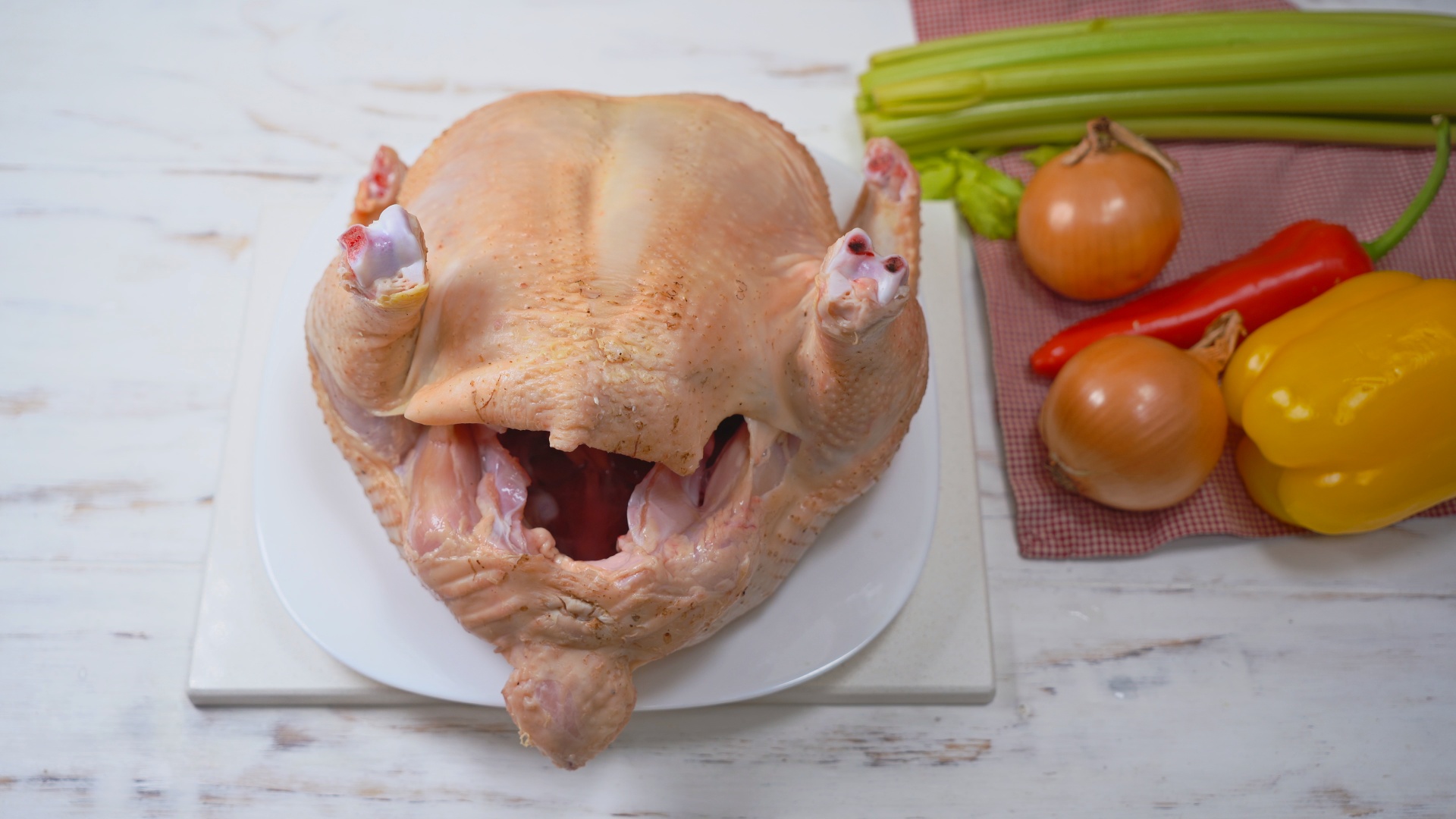
How to Quickly Thaw a Turkey in Water for Your Feast
The centerpiece of any holiday feast, a perfectly roasted turkey, begins its journey long before it hits the oven. For many, the biggest hurdle is often the initial thawing process. While the refrigerator method is undeniably the safest, it demands several days of advance planning – a luxury not everyone has, especially when faced with last-minute meal preparations. When time is of the essence, learning
how to thaw a turkey in water quickly and safely becomes an indispensable culinary skill. This comprehensive guide will walk you through the cold water thawing method, ensuring your turkey is ready for roasting without compromising on food safety or flavor.
Proper thawing isn't just about convenience; it's a critical step for preventing bacterial growth and ensuring your festive meal is enjoyed safely. Incorrect thawing can turn your delicious centerpiece into a health risk, fostering environments where harmful bacteria like salmonella can thrive. That's why understanding and adhering to specific guidelines is paramount, regardless of the method you choose.
Why Choose Cold Water Thawing? Speed and Safety Combined
Among the various thawing methods, the cold water technique stands out as the quickest safe alternative to traditional refrigeration. Its efficiency lies in the principle of heat transfer: submerging the frozen bird in cold water facilitates a much faster thaw compared to leaving it in a cold refrigerator or, worse, at room temperature. The constant exposure to a circulating cool environment prevents the turkey's surface from warming up to dangerous temperatures while the interior remains frozen, thus minimizing bacterial proliferation.
It's vital to underscore a universal rule of food safety:
never thaw a turkey at room temperature. This is a common mistake that creates a perfect breeding ground for bacteria. The outer layers of the turkey can reach unsafe temperatures (between 40°F and 140°F, often referred to as the "danger zone") long before the center has fully thawed, making the entire bird susceptible to spoilage and foodborne illness. For those last-minute dilemmas, the controlled environment of cold water thawing is your safest bet. If you find yourself in a bind, check out our guide on
Last-Minute Turkey Thaw: The Safe Cold Water Method for more immediate help.
Your Essential Thawing Toolkit: What You'll Need
Before you even think about submerging your bird, gather all necessary supplies. Having everything at hand will streamline the process and ensure you can maintain strict food safety standards throughout.
Here's your essential checklist:
*
A Large Container: This is arguably the most important item. You'll need something large enough to completely submerge your turkey. Options include a clean kitchen sink, a sizable bucket, or an insulated cooler. A cooler is often the superior choice because its insulation helps maintain the cold water temperature for longer, reducing how frequently you need to change the water slightly (though frequent changes are still required). Ensure it's thoroughly cleaned and sanitized beforehand.
*
Cold Tap Water: You'll need a continuous supply of cold water. This isn't just for the initial fill but for the regular water changes that are crucial for safety and efficiency.
*
Food Thermometer: An accurate thermometer is essential for monitoring the water temperature, ensuring it remains below 40°F (4°C). This helps confirm your thawing environment stays out of the bacterial danger zone.
*
Leak-Proof Plastic Bag: If your turkey's original packaging appears damaged, torn, or simply isn't robust enough to be watertight, a large, heavy-duty, food-safe plastic bag (like an oven roasting bag or a dedicated brining bag) is crucial. This acts as a barrier, preventing water from coming into direct contact with the turkey, which could otherwise lead to a waterlogged bird, affecting its flavor and texture.
*
A Reliable Timer: Accurate timing is key for remembering to change the water at regular intervals and for calculating the total thawing duration.
Step-by-Step Guide: How to Thaw a Turkey in Water Successfully
Follow these steps meticulously to ensure a safe and efficient thaw using the cold water method:
- Inspect the Packaging: Begin by examining your turkey's original vacuum-sealed packaging. If it's completely intact and leak-proof, you can proceed directly. However, if there are any tears, punctures, or signs of compromise, immediately place the turkey into a robust, food-safe plastic bag. Squeeze out as much air as possible before securely sealing it. This barrier is critical to prevent water absorption and cross-contamination.
- Prepare Your Container: Place your bagged (if necessary) or original-packaged turkey into your chosen container (sink, bucket, or cooler). Ensure the container is clean and ready.
- Submerge Completely: Fill the container with enough cold tap water to completely submerge the turkey. The water should be cold, ideally below 40°F (4°C). If the turkey floats, you may need to weigh it down with something heavy and clean, like a plate or a smaller pot filled with water, to keep it fully immersed.
- Change the Water Regularly: This is perhaps the most critical step. You must change the water every 30 minutes. This constant refreshment of cold water is what prevents the surface of the turkey and the surrounding water from warming up into the danger zone, thereby inhibiting bacterial growth. Set your timer!
- Monitor Water Temperature: Periodically use your food thermometer to check the water temperature. It should consistently stay below 40°F (4°C). If it starts to rise, change the water more frequently or add ice to help maintain the chill, ensuring your thawing process remains safe.
- Calculate Thawing Time: A good rule of thumb for how to thaw a turkey in water is approximately 30 minutes per pound. For example, a 12-pound turkey would require around 6 hours of thawing time (12 lbs x 30 minutes/lb = 360 minutes). Refer to our detailed guide on Cold Water Turkey Thawing: 30 Mins/Lb for a Safe Meal for more precise calculations.
- Check for Thaw: The turkey is fully thawed when it's soft to the touch and there are no ice crystals visible inside the cavity. You should be able to easily remove the giblet package.
Post-Thaw Protocol: What to Do Next
Once your turkey is completely thawed using the cold water method, it's crucial to act quickly. Unlike refrigerator-thawed turkeys, which can sit safely for a day or two in the fridge, a turkey thawed in cold water must be cooked immediately. Plan your cooking process to begin right after the turkey is fully thawed.
If you find that your turkey isn't completely thawed but you've run out of time or need to cook it sooner, it is technically safe to cook a partially frozen turkey. However, be aware that cooking time will increase significantly (by about 50%), and you'll need to monitor the internal temperature carefully with a meat thermometer to ensure all parts reach a safe internal temperature of 165°F (74°C).
Expert Tips for a Flawless Cold Water Thaw
*
Start with a Clean Slate: Always ensure your sink, cooler, or bucket is impeccably clean before starting. Sanitize it with a diluted bleach solution (1 teaspoon of bleach per quart of water) and rinse thoroughly.
*
Never Rush with Hot Water: While tempting, using warm or hot water to speed up the process is extremely dangerous. It brings the turkey's surface into the danger zone quickly, promoting bacterial growth. Stick to cold water only.
*
Plan Ahead, Even for "Quick" Thaws: Even the cold water method requires several hours. Don't wait until the last minute of the last minute. Give yourself a buffer, especially for larger birds.
*
Consider Ice Packs: If your tap water isn't consistently cold enough (e.g., during summer months), you can add ice packs or actual ice cubes to the container along with the cold water to help maintain the desired low temperature.
*
Clean Up Thoroughly: After the turkey is removed, thoroughly clean and sanitize any surfaces that came into contact with the raw turkey or the thawing water, including the container, sink, and your hands. Cross-contamination is a serious concern.
Conclusion
Mastering
how to thaw a turkey in water is an invaluable skill for any home cook, especially when unforeseen circumstances or tight schedules threaten your holiday meal. By diligently following the guidelines for cold water thawing – using a leak-proof bag, maintaining a consistent supply of cold water, changing it frequently, and adhering to the 30 minutes per pound rule – you can safely and efficiently prepare your turkey for roasting. Remember, food safety is paramount, so always prioritize proper thawing and immediate cooking once the bird is ready. With these steps, you're well on your way to serving a delicious, safely prepared turkey that will be the highlight of your feast.