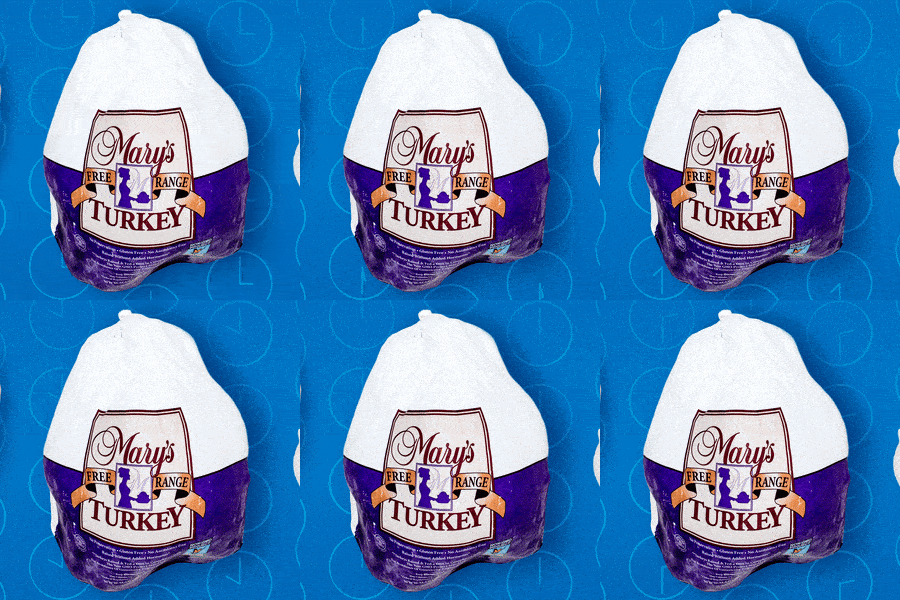
The delicious aroma of a perfectly roasted turkey is a hallmark of holiday gatherings, but achieving that culinary triumph starts long before the bird hits the oven. For many, the biggest hurdle isn't the basting or the carving, but the crucial, often overlooked step of thawing. While planning ahead for a slow refrigerator thaw is ideal, life happens. When time is short and a frozen turkey stands between you and your festive feast, knowing how to thaw a turkey quickly in water becomes an invaluable skill. This comprehensive guide will walk you through the safe and efficient cold water thawing method, ensuring your turkey is perfectly prepared and safe for consumption, even at the last minute.
Proper thawing is not just about convenience; it's paramount for food safety and the ultimate taste and texture of your meal. Incorrect thawing techniques can unfortunately turn your holiday centerpiece into a health hazard, creating an environment ripe for harmful bacterial growth. That's why understanding and meticulously following specific guidelines, especially for faster methods like cold water thawing, is absolutely essential.
Why Cold Water Thawing is Your Go-To for Speed and Safety
Picture this: It's Thanksgiving morning, guests are arriving soon, and your prized turkey is still a solid block of ice. The traditional refrigerator thaw, which can take several days depending on the turkey's size, is no longer an option. This is precisely where the cold water method shines. It’s significantly faster than fridge thawing, offering a reliable alternative without compromising the critical aspects of food safety. This method works by facilitating rapid heat transfer from the constantly refreshed cold water to the turkey, allowing it to thaw much quicker than it would in stagnant air.
One of the golden rules of thawing any frozen meat, especially poultry, is to never do so at room temperature. Leaving a turkey on the counter for hours creates a dangerous "temperature danger zone" (between 40°F and 140°F or 4°C and 60°C) where bacteria multiply rapidly. The cold water method avoids this by continuously keeping the turkey at a safe, cool temperature while it thaws.
The Critical Role of Food Safety in Thawing
Understanding food safety isn't just a suggestion; it's a non-negotiable aspect of meal preparation. Improperly thawed poultry can harbor bacteria like Salmonella or Campylobacter, leading to severe foodborne illnesses. The exterior of a turkey thaws faster than its interior, and if the outer layers spend too long in the danger zone while the center is still frozen, bacteria can proliferate significantly. The cold water method mitigates this risk by ensuring the entire turkey remains at a consistently cool, safe temperature throughout the process.
Beyond safety, correct thawing also plays a role in the quality of your cooked turkey. A turkey that thaws too quickly at high temperatures or absorbs too much water can become tough or watery, affecting its flavor and texture. The controlled environment of a cold water bath helps maintain the integrity of the meat, leading to a more delicious and tender result.
Gathering Your Gear: Essential Supplies for a Seamless Thaw
Before you even think about immersing your turkey, a little preparation goes a long way. Having all your necessary supplies on hand will streamline the process, reduce stress, and ensure a hygienic thawing experience. Think of it as setting up your turkey-thawing workstation.
- A Large Container: You'll need something substantial enough to completely submerge your turkey. Options include a clean kitchen sink (ensure it's thoroughly sanitized first), a large food-grade bucket, or ideally, an insulated cooler. A cooler is particularly advantageous as it helps maintain a consistently cold water temperature for longer periods, potentially reducing the frequency of water changes slightly, though 30-minute intervals are still recommended.
- Cold Tap Water: This is your primary thawing agent. You'll need a steady supply of fresh, cold water. The water temperature should be no warmer than 40°F (4°C). If your tap water isn't sufficiently cold, you may need to add ice to the container to maintain the correct temperature.
- A Food Thermometer: Essential for monitoring the water temperature. This ensures you're consistently keeping the environment below the bacterial danger zone.
- Food-Safe Plastic Bags: This is crucial. While many turkeys come in a leak-proof vacuum-sealed bag, it's vital to inspect it for any tears or punctures. If the original packaging seems compromised or you want an extra layer of protection, place the turkey in a heavy-duty, food-safe plastic bag. Large brining bags work perfectly. Squeeze out as much air as possible before securely sealing the bag. This step prevents the turkey from absorbing water, which can dilute its flavor and make it watery, and prevents cross-contamination of your container.
- A Reliable Timer: You'll be changing the water frequently, so a timer (on your phone, oven, or a dedicated kitchen timer) is indispensable to ensure you adhere to the recommended intervals.
- A Weight (Optional but Recommended): Sometimes, a turkey can be buoyant. A clean plate or heavy object can be used to keep the turkey fully submerged beneath the water, ensuring even thawing.
Step-by-Step Guide: How to Thaw a Turkey in Water, Safely and Efficiently
Follow these steps meticulously to ensure your turkey thaws safely and is ready for cooking without a hitch.
- Inspect and Prepare the Packaging: Carefully examine your turkey's original packaging for any rips, tears, or leaks. If it appears damaged, or if you simply want an extra layer of protection, place the entire turkey (in its original packaging) into a large, heavy-duty, food-safe plastic bag. Push out as much air as possible to ensure good contact with the water, then securely seal the bag. This prevents water from seeping in and affecting the turkey's quality, and equally important, prevents raw turkey juices from contaminating your thawing water and container.
- Prepare Your Container: Place your chosen container (sink, cooler, large pot) in a location where it can remain undisturbed. Place the bagged turkey inside the container.
- Submerge in Cold Water: Fill the container with cold tap water, ensuring the turkey is completely submerged. The water should be 40°F (4°C) or colder. If your tap water is warmer, add ice to bring the temperature down. Use your thermometer to verify the temperature. If the turkey floats, use a clean, heavy plate or object to keep it fully submerged.
- Set Your Timer and Change Water Frequently: This is a critical food safety step. Set a timer for 30 minutes. Every 30 minutes, drain the old water and refill the container with fresh, cold tap water (again, 40°F/4°C or colder). This constant refreshing of cold water prevents the surface of the turkey and the water itself from warming up and entering the danger zone, while also facilitating continuous heat transfer for efficient thawing.
- Calculate Thawing Time: The general rule of thumb for cold water thawing is approximately 30 minutes per pound of turkey. For example:
- A 12-pound turkey will take approximately 6 hours.
- A 16-pound turkey will take approximately 8 hours.
- A 20-pound turkey will take approximately 10 hours.
- Monitor and Continue: Continue to change the water every 30 minutes for the calculated duration. Regularly check the water temperature with your food thermometer to ensure it remains below 40°F (4°C).
- Check for Doneness: The turkey is fully thawed when it's pliable to the touch, and there are no hard, icy spots, particularly in the body cavity. You should be able to easily remove the neck and giblets.
- Cook Immediately: Once your turkey is fully thawed using the cold water method, it is crucial that you cook it immediately. Do not refreeze a turkey that has been thawed in cold water, and do not place it back in the refrigerator for later cooking, as its surface temperature will have been warmer than refrigerator-thawed poultry.
Expert Tips for a Stress-Free Turkey Thaw
Beyond the basic steps, these insights can help ensure your last-minute turkey thaw is as smooth and successful as possible:
- Maintain True Cold Water: Don't just use "cool" water; aim for genuinely cold. If your tap water is naturally warm, be prepared to use plenty of ice. The colder the water (while staying above freezing), the more efficiently and safely the turkey will thaw.
- Prioritize Sanitation: Always clean and sanitize your sink, container, and any surfaces that come into contact with the raw turkey or its packaging. Wash your hands thoroughly with soap and water before and after handling the turkey.
- Double-Bagging is Your Best Friend: Seriously, this step cannot be overemphasized. A small pinhole in original packaging can lead to a waterlogged turkey and cross-contamination. Investing in a couple of large, heavy-duty brining bags for this purpose is a small cost for peace of mind.
- Don't Be Tempted by Warm Water: It might seem like a shortcut, but using warm or hot water will rapidly bring the turkey's surface into the danger zone, encouraging bacterial growth long before the center thaws. Stick to cold water.
- Consider an Ice Bath in a Cooler: For larger birds or longer thaw times, a well-insulated cooler filled with water and ice can be more efficient than a sink. The insulation helps maintain the cold temperature, although you'll still need to refresh the water and ice every 30 minutes.
- Plan for Post-Thaw Actions: Remember, a cold-water thawed turkey must be cooked immediately. Have your roasting pan, seasonings, and oven ready to go once the thawing process is complete. This isn't a method for thawing and then holding.
- Account for Giblets and Neck: Don't forget to remove the giblet bag and neck from the turkey's cavity once it's pliable enough. These often contain plastic or paper and need to be taken out before cooking.
While the refrigerator method will always be the USDA's top recommendation for thawing a turkey due to its low-maintenance and extended holding time, the cold water method is a perfectly safe and highly effective alternative when time is of the essence. By following these detailed steps and adhering to critical food safety guidelines, you can confidently prepare your turkey, ensuring a delicious and safe meal for everyone at your table, even if it's a last-minute decision.
